


Introduction
Starting a business is a dream for many people, but one common misconception prevents aspiring entrepreneurs from taking the first step—the belief that a successful business requires a huge amount of money. In reality, countless successful businesses began with a small budget, determination, and a clear strategy. Today, technology, digital platforms, and changing consumer behavior have made it easier than ever to launch a business with minimal investment.
The best business ideas with low investment allow individuals to turn their skills, hobbies, or knowledge into profitable ventures without risking significant financial losses. Whether you’re a student, homemaker, full-time employee, or someone looking for an additional income source, low-cost businesses provide an excellent opportunity to build financial independence.
However, choosing the right business is only the beginning. Success depends on identifying market demand, planning carefully, understanding customers, and consistently improving your products or services. Many low-investment businesses require more creativity and dedication than money, making them ideal for beginners.
This comprehensive guide explores the best business ideas with low investment, explains why they matter, and provides practical steps to help you start confidently. You’ll also learn how to avoid common mistakes and increase your chances of long-term success.
What is Best Business Ideas with Low Investment?
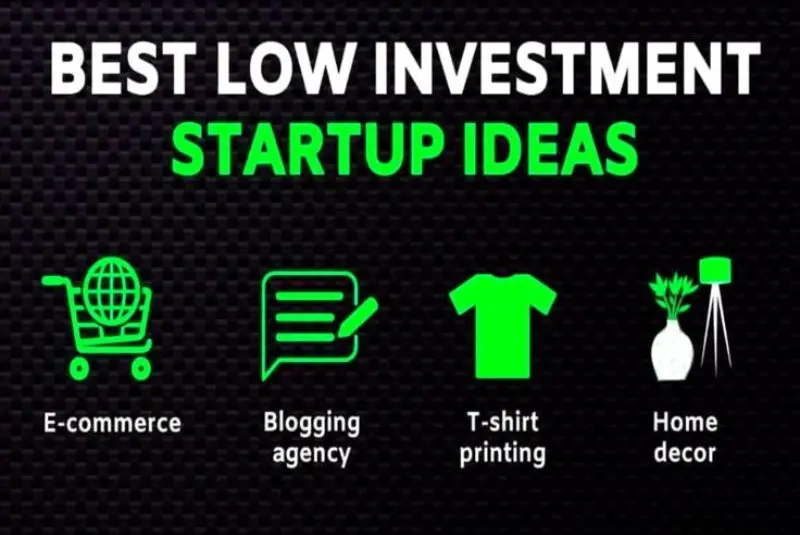
The best business ideas with low investment are businesses that require minimal startup capital while offering strong potential for profit and long-term growth. Instead of investing thousands of dollars in equipment, office space, or inventory, these businesses rely on skills, digital tools, creativity, or affordable resources.
Low-investment businesses usually have:
- Small startup costs
- Flexible working hours
- Lower financial risk
- Easy scalability
- High earning potential with proper planning
Many successful entrepreneurs started from home with nothing more than a laptop, internet connection, and determination.
Examples include:
- Freelancing
- Blogging
- Graphic design
- Online tutoring
- Content writing
- Social media management
- Handmade crafts
- Print-on-demand businesses
- Digital marketing services
- Virtual assistance
These businesses prove that passion and persistence often matter more than large investments.
Why is Best Business Ideas with Low Investment Important?
Low-investment businesses have become increasingly popular because they reduce the financial barriers that prevent many people from becoming entrepreneurs.
Here are several reasons why they are important.
1. Lower Financial Risk
Starting with a smaller investment means you risk less money if the business doesn’t perform as expected. This makes entrepreneurship less stressful for beginners.
2. Easy to Start
Many businesses can be launched from home using equipment you already own, such as a computer or smartphone.
3. Flexible Working Hours
Most low-investment businesses allow you to work whenever it suits your schedule. This flexibility is especially valuable for students, parents, and employees.
4. Opportunity to Learn
Starting small helps entrepreneurs gain practical business experience before expanding into larger ventures.
5. Unlimited Growth Potential
Many globally recognized companies began as small businesses. A low-cost startup can eventually become a highly profitable enterprise through smart planning and consistent improvement.
Detailed Step-by-Step Guide
Step 1: Identify Your Skills and Interests
The first step is understanding what you’re good at and what you genuinely enjoy doing.
Ask yourself:
- What skills do I already have?
- What problems can I solve?
- What services can I provide?
- What hobbies could become a business?
Examples include:
- Photography
- Cooking
- Writing
- Teaching
- Graphic design
- Video editing
- Programming
- Craft making
Building a business around your strengths increases motivation and long-term success.
Step 2: Research Market Demand
Even the best idea can fail if nobody wants it.
Conduct market research by:
- Searching online trends
- Reading customer reviews
- Joining online communities
- Studying competitors
- Asking potential customers
Look for problems that people frequently discuss because businesses that solve problems usually attract more customers.
Example:
If many small businesses struggle with managing social media, offering affordable social media management services could become a profitable opportunity.
Step 3: Choose the Right Business Model
Selecting the correct business model helps you generate income efficiently.
Some popular low-investment business models include:
Freelancing
Offer services like:
- Writing
- Graphic design
- Video editing
- Translation
- Programming
Startup investment:
Very low.
Potential earnings:
Can increase significantly as your experience grows.
Online Tutoring
If you excel in mathematics, science, languages, music, or computer skills, online tutoring is a great option.
Requirements include:
- Stable internet
- Webcam
- Good communication skills
Students worldwide actively seek qualified tutors.
Blogging
Blogging requires patience but offers long-term earning opportunities.
Income sources include:
- Advertising
- Sponsored content
- Affiliate marketing
- Digital products
- Online courses
Choose a niche such as:
- Travel
- Health
- Technology
- Personal finance
- Food
- Education
YouTube Content Creation
Creating valuable videos requires consistency more than expensive equipment.
Popular categories include:
- Tutorials
- Product reviews
- Cooking
- Fitness
- Educational content
- Personal finance
- Business advice
As your audience grows, multiple income streams become available.
Content Writing
Businesses constantly need high-quality content.
You can write:
- Blog posts
- Website pages
- Product descriptions
- Email newsletters
- Social media captions
A laptop and internet connection are often enough to get started.
Graphic Design
Creative individuals can design:
- Logos
- Business cards
- Posters
- Social media graphics
- Website banners
- Marketing materials
Free and affordable design software makes this business highly accessible.
Virtual Assistant Services
Many entrepreneurs outsource administrative tasks.
Services include:
- Email management
- Appointment scheduling
- Data entry
- Customer support
- Calendar organization
- Document preparation
This business requires organization rather than significant financial investment.
Social Media Management
Businesses increasingly rely on social media to attract customers.
You can help by:
- Creating content
- Scheduling posts
- Responding to comments
- Managing campaigns
- Tracking analytics
Learning social media marketing can greatly increase your earning potential.
Handmade Products Business
If you enjoy creating crafts, consider selling:
- Candles
- Jewelry
- Soap
- Home décor
- Greeting cards
- Personalized gifts
Small batches help minimize investment while testing customer demand.
Print-on-Demand Business
Print-on-demand allows you to sell customized products without maintaining inventory.
Popular products include:
- T-shirts
- Hoodies
- Mugs
- Tote bags
- Phone cases
- Notebooks
Products are manufactured only after customers place orders, reducing financial risk.
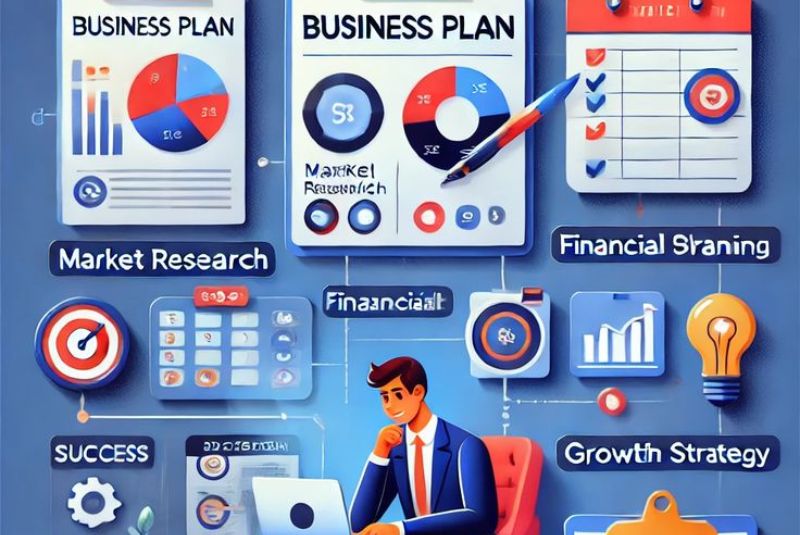
Step 4: Create a Simple Business Plan
A business plan doesn’t need to be complicated.
Include:
- Business idea
- Target audience
- Products or services
- Pricing strategy
- Marketing plan
- Monthly expenses
- Revenue goals
- Growth strategy
A written plan provides direction and helps you stay focused during the early stages.
Step 5: Set a Realistic Budget
One major advantage of the best business ideas with low investment is affordability.
Your startup budget may include:
- Internet connection
- Domain name
- Basic software
- Marketing materials
- Simple branding
- Essential equipment
Avoid unnecessary spending during the initial months.
Step 6: Build Your Brand Identity
A strong brand helps customers recognize and trust your business. Even if you are starting small, creating a professional image can make a big difference.
Your brand should include:
- A memorable business name
- A simple and attractive logo
- Consistent colors and fonts
- A clear message about what you offer
- A professional online presence
For example, if you sell handmade candles, your branding should reflect warmth, quality, and uniqueness. Consistency across your website and social media pages builds credibility.
Step 7: Market Your Business
Marketing is essential for attracting customers. Fortunately, many effective marketing strategies require little or no financial investment.
Focus on:
Social Media Marketing
Share valuable content on platforms where your audience spends time.
Post:
- Educational tips
- Customer testimonials
- Product photos
- Behind-the-scenes content
- Short videos
Consistency is more important than posting dozens of times a day.
Word-of-Mouth Promotion
Encourage satisfied customers to recommend your business to friends and family. Positive referrals often lead to loyal customers.
Email Marketing
Collect email addresses from interested customers and send updates, promotions, and useful information. Email marketing is affordable and helps build long-term relationships.
Content Marketing
Publish helpful blog posts, videos, or guides related to your business. Useful content increases trust and attracts potential customers organically.
Step 8: Deliver Excellent Customer Service
Customer satisfaction is one of the biggest factors behind business success.
Always strive to:
- Respond quickly to inquiries.
- Communicate politely.
- Deliver products or services on time.
- Solve customer problems professionally.
- Ask for feedback and make improvements.
Happy customers often become repeat buyers and recommend your business to others.
Step 9: Track Your Income and Expenses
Many beginners overlook financial management.
Keep records of:
- Sales
- Expenses
- Profit
- Marketing costs
- Business purchases
Monitoring your finances helps you identify profitable areas and make smarter decisions.
Step 10: Continue Learning and Improving
Markets change, customer preferences evolve, and new opportunities appear regularly.
Invest time in learning about:
- Marketing
- Customer service
- Sales techniques
- Business management
- Industry trends
- New digital tools
Continuous improvement keeps your business competitive and increases your chances of long-term success.
Benefits of Best Business Ideas with Low Investment
Starting a low-investment business offers numerous advantages:
- Low startup costs reduce financial pressure.
- Minimal risk compared to large investments.
- Easy to start from home.
- Flexible working hours.
- Opportunity to earn additional income.
- Can grow into a full-time business.
- Freedom to be your own boss.
- Develops valuable entrepreneurial skills.
- Suitable for students, professionals, and retirees.
- Allows gradual business expansion as profits increase.
Disadvantages and Risks
Although low-investment businesses offer many benefits, they also come with certain challenges.
- Income may be slow during the beginning.
- High competition in popular industries.
- Requires patience and consistency.
- Marketing takes time and effort.
- Managing multiple responsibilities can be difficult.
- Customer acquisition may initially be challenging.
- Some businesses require continuous learning to remain competitive.
Understanding these risks helps you prepare realistic expectations and develop effective strategies.
Common Mistakes to Avoid
Many beginners fail because they make avoidable mistakes.
1. Choosing a Business Without Research
Never start a business simply because it appears profitable. Confirm that there is real demand.
2. Expecting Quick Success
Every successful business requires time, learning, and consistent effort.
3. Ignoring Customer Feedback
Customer opinions help improve products and services. Listen carefully and make necessary adjustments.
4. Spending Too Much Initially
Avoid buying expensive equipment before proving that your business idea works.
5. Poor Marketing
Even excellent products need proper promotion. Dedicate time to building your audience.
6. Giving Up Too Early
Many businesses take months before generating consistent profits. Persistence is often the key difference between success and failure.
7. Neglecting Financial Records
Without accurate financial records, it becomes difficult to understand whether your business is actually profitable.
FAQs
What is the best business idea with low investment for beginners?
Freelancing, content writing, online tutoring, virtual assistance, blogging, and social media management are among the best choices because they require minimal startup costs and can be started from home.
How much money do I need to start a low-investment business?
The required investment depends on the business type. Many online businesses can begin with a computer, internet connection, and a small budget for branding or marketing.
Can I start a business while working a full-time job?
Yes. Many entrepreneurs begin part-time while keeping their regular jobs. Once the business generates stable income, they may decide to work on it full-time.
Which online business is the most profitable?
Profitability depends on your skills and market demand. Popular options include digital marketing, content writing, graphic design, affiliate marketing, blogging, online education, and consulting.
How long does it take to earn profits?
Some service-based businesses generate income within weeks, while content-based businesses like blogging may require several months. Consistency and quality significantly influence results.
Is experience necessary before starting?
No. Many successful entrepreneurs begin without professional experience. Learning continuously and improving your skills can compensate for limited experience.
What qualities make a successful entrepreneur?
Successful entrepreneurs are usually:
Consistent
Adaptable
Patient
Organized
Willing to learn
Customer-focused
Good at solving problems
Developing these qualities increases your chances of business success.
Expert Tips & Bonus Points
To maximize your chances of success, keep these expert tips in mind:
- Start with one business idea instead of trying several at once.
- Focus on solving real customer problems.
- Build trust before expecting large sales.
- Learn basic digital marketing skills.
- Create a professional online presence.
- Set monthly income and growth goals.
- Improve your products based on customer feedback.
- Reinvest a portion of your profits into business growth.
- Network with other entrepreneurs to gain new ideas and opportunities.
- Stay consistent even during slow periods.
Bonus Tip: Success rarely happens overnight. Small, consistent improvements every day can lead to remarkable long-term results.
Conclusion
Starting a business no longer requires massive capital or years of experience. The best business ideas with low investment provide an accessible path for anyone willing to learn, work consistently, and solve real customer problems. Whether you choose freelancing, blogging, online tutoring, graphic design, social media management, or another affordable venture, the most important step is simply getting started.
Low-investment businesses offer flexibility, lower financial risk, and the opportunity to grow at your own pace. While challenges such as competition and slow initial growth are common, they can be overcome with careful planning, continuous learning, and excellent customer service. Every successful entrepreneur begins somewhere, and many of today’s thriving companies started with limited resources and a simple idea.
Remember that success is built through persistence rather than perfection. Focus on delivering value, understanding your audience, and improving your skills over time. Track your progress, celebrate small milestones, and remain patient as your business develops.
If you approach entrepreneurship with dedication, realistic expectations, and a commitment to learning, a low-investment business can become more than just an additional source of income—it can grow into a rewarding career and a sustainable long-term venture. The best time to begin is when you are prepared to take consistent action and turn your ideas into reality.
