

Introduction
- Starting and growing a business is rarely a smooth ride. Every entrepreneur faces moments of doubt, confusion, and tough decision-making, often without anyone around who truly understands the pressure they’re under. One day you feel unstoppable, convinced your idea will change everything, and the next day you’re questioning whether you made the right choice at all. This emotional rollercoaster is part of the journey, but it doesn’t have to be navigated blindly.
- That’s exactly why reading the right books can make such a massive difference. Books give you access to decades of trial, error, and hard-won wisdom from people who have already faced the exact problems you’re dealing with right now. Instead of learning everything the hard way, you get to borrow their experience and apply it to your own situation.
- The best books every entrepreneur should read aren’t just motivational fluff filled with vague encouragement and empty promises. They offer practical frameworks, real-world case studies, and lessons learned from founders, investors, and business thinkers who built something from nothing. These books break down complicated business concepts into simple, actionable steps that even a complete beginner can follow.
- Think about it this way. A single book might cost you the price of a meal out, yet it can contain years of insight from someone who spent their entire career mastering a single skill, whether that’s marketing, leadership, negotiation, or financial planning. Where else can you get that kind of return on investment?
- Whether you’re just starting your entrepreneurial journey with nothing but an idea and some determination, or you’re already running a growing company with employees and real revenue, books remain one of the most affordable and powerful learning tools available. Unlike expensive courses, paid masterminds, or one-on-one consultants, a good book costs a fraction of the price yet often delivers value that lasts for years.
- Many of the world’s most successful entrepreneurs openly credit books as a major part of their growth. They didn’t stumble into success by accident. They actively sought out knowledge, applied what they learned, and kept refining their approach based on lessons pulled directly from the pages of well-written business books.
- Yet despite knowing this, many beginner and intermediate entrepreneurs still struggle with a simple question: where do I even start? With thousands of business books published every year, it’s easy to feel overwhelmed before you’ve even opened the first page. Some books promise overnight success, others are filled with jargon that feels impossible to apply, and many simply repeat the same generic advice without offering anything new or useful.
- This is precisely the gap this article aims to fill. Rather than handing you a random, unfiltered list of titles, we want to walk you through a complete, practical approach to using books as a genuine growth tool for your business and your mindset.
- In this article, we’ll explore why reading matters so much for business owners, especially in a world where information changes rapidly and competition only seems to grow fiercer every year. We’ll walk through a clear, step-by-step guide to building a sustainable reading habit, one that fits into even the busiest entrepreneurial schedule, whether you have thirty minutes a day or just ten.
- We’ll also share a carefully curated list of must-read books for entrepreneurs, covering everything from startup fundamentals and lean methodology to persuasion, financial discipline, and team building. These aren’t randomly chosen titles; they’re books that have stood the test of time and continue to be recommended by successful founders across countless industries.
- Beyond the recommendations themselves, we’ll cover the genuine benefits of building a consistent reading habit, as well as the potential downsides and risks that come with relying too heavily on books without taking real action. It’s important to approach this topic honestly, because reading alone has never built a single successful business. Application is what truly matters.
- We’ll also highlight some of the most common mistakes people make while reading business books, mistakes that quietly waste time and prevent real progress, even when the intentions behind the reading are good. Avoiding these pitfalls can be just as valuable as the books themselves.
- To make this guide even more useful, we’ve included a dedicated FAQ section answering the questions beginners often ask when they’re trying to build a reading habit for the first time, along with expert tips and bonus strategies that experienced entrepreneurs use to extract maximum value from every book they pick up.
- By the end of this article, you’ll have a clear, actionable roadmap to choosing and using the best books every entrepreneur should read to sharpen your mindset, improve your decision-making, and accelerate meaningful growth in your business. There’s no fluff here, just practical guidance you can start applying today.
- So if you’ve ever felt unsure about which books are actually worth your time, or you’ve started a dozen business books without finishing a single one, this guide is exactly what you need. Let’s dive in and start building a reading habit that genuinely moves your business forward.
What Are the Best Books Every Entrepreneur Should Read?
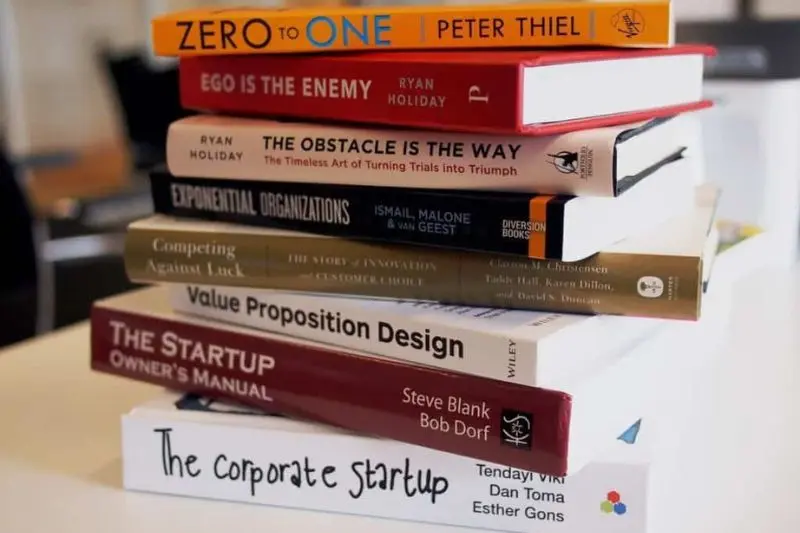
- The best books every entrepreneur should read are titles that combine practical business strategy with mindset development. They aren’t limited to one genre.
- Some focus on marketing and sales. Others dive into leadership, productivity, finance, or personal psychology. Together, they form a well-rounded toolkit for anyone building a business.
- These books are typically written by successful founders, investors, or researchers who have either built companies themselves or studied hundreds of businesses closely.
- What sets them apart from random self-help titles is their actionable nature. They don’t just inspire you; they teach you specific frameworks you can apply immediately.
- For beginners, these books simplify complex business concepts into digestible lessons. For intermediate entrepreneurs, they offer deeper insights into scaling, leadership, and long-term strategy.
- In short, this category of reading material acts as a mentor in book form, guiding you through challenges that almost every entrepreneur eventually faces.
Why Is Reading Business Books Important for Entrepreneurs?
- Many successful entrepreneurs, including well-known billionaires, credit reading as a major contributor to their success. This isn’t a coincidence.
- Running a business requires constant learning. Markets shift, customer behavior changes, and competition evolves. Books help you stay sharp and adaptable.
- Here’s why the best books every entrepreneur should read are genuinely important:
1. They Provide Proven Frameworks Instead of guessing your way through challenges, books give you tested strategies that have already worked for others.
2. They Save Time and Money Learning from someone else’s mistakes is far cheaper than making those same mistakes yourself.
3. They Strengthen Mindset Entrepreneurship is mentally demanding. The right books help build resilience, patience, and emotional discipline.
4. They Improve Decision-Making Books on finance, negotiation, and leadership sharpen your ability to make smarter business choices.
5. They Offer Fresh Perspectives Sometimes you’re too close to your own business to see blind spots. A good book can offer that much-needed outside view.
Simply put, reading isn’t a luxury for entrepreneurs—it’s a necessity for sustainable growth.
Step-by-Step Guide to Building a Powerful Reading Habit
Knowing the best books every entrepreneur should read is only half the battle. The real value comes from consistently reading and applying what you learn.
Step 1: Define Your Learning Goals
Before picking up any book, identify what area of your business needs the most attention. Is it marketing, leadership, finance, or productivity?
This clarity helps you choose books that are directly relevant rather than randomly picking popular titles.
Step 2: Start With Foundational Books
If you’re a beginner, start with books that cover broad entrepreneurial principles rather than highly technical or niche topics.
Examples include:
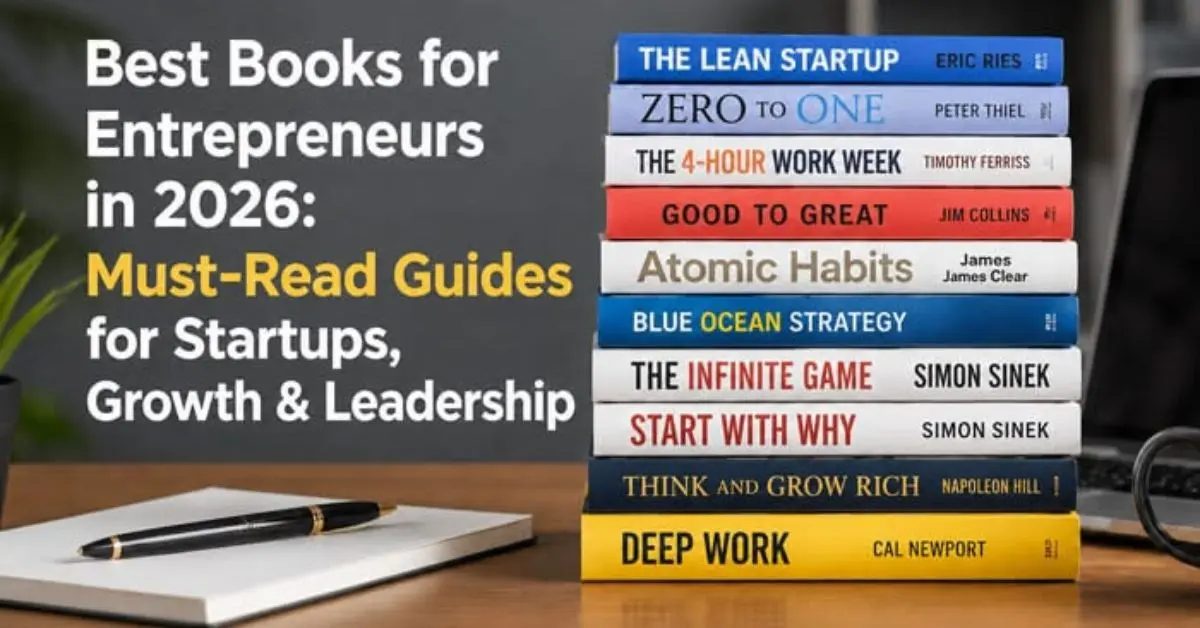
- “The Lean Startup” by Eric Ries
- “Zero to One” by Peter Thiel
- “Rich Dad Poor Dad” by Robert Kiyosaki
These titles build a strong base before moving into more specialized reading.
Step 3: Move Into Specialized Topics
Once you understand the basics, shift toward books focused on specific skills like sales, branding, or operations.
Examples include:
- “Influence” by Robert Cialdini for persuasion and marketing
- “Traction” by Gino Wickman for business systems
- “Profit First” by Mike Michalowicz for financial management
Step 4: Create a Consistent Reading Schedule
Set aside dedicated time daily or weekly. Even 20 minutes a day adds up to several books finished each year.
Many entrepreneurs read during commutes, lunch breaks, or right before bed to stay consistent.
Step 5: Take Notes and Highlight Key Lessons
Reading without retention is wasted effort. Keep a notebook or digital document to jot down key takeaways from each chapter.
This habit turns passive reading into active learning you can revisit later.
Step 6: Apply What You Learn Immediately
The biggest mistake is reading a book and never implementing its lessons. Choose one or two actionable ideas from each book and apply them within a week.
Step 7: Join a Book Club or Discussion Group
Discussing books with other entrepreneurs deepens understanding and exposes you to different interpretations and applications.
Many local business communities and online forums host entrepreneur-focused book clubs.
Step 8: Revisit Important Books Periodically
Some books are worth re-reading every year or two, especially as your business grows and your challenges evolve.
What felt irrelevant as a beginner might become incredibly useful once you’re managing a team or scaling operations.
Benefits of Reading the Best Books Every Entrepreneur Should Read
Building a consistent reading habit offers several long-term advantages for business owners.
- Improves strategic thinking and problem-solving skills
- Builds confidence through proven frameworks and real examples
- Enhances leadership and people management abilities
- Provides access to decades of business experience at a low cost
- Strengthens financial literacy and money management skills
- Reduces costly trial-and-error mistakes
- Keeps you updated with evolving business trends and strategies
- Boosts motivation during difficult phases of entrepreneurship
- Helps develop a growth-oriented, resilient mindset
- Encourages continuous self-improvement and lifelong learning
These benefits compound over time, making consistent readers far more equipped to handle the unpredictable nature of running a business.
Disadvantages and Risks of Relying Too Heavily on Business Books
While reading is valuable, it’s important to recognize certain limitations and risks involved.
- Information Overload: Reading too many books without applying lessons can lead to confusion rather than clarity.
- Outdated Advice: Some older books may contain strategies that no longer apply to today’s digital-first business environment.
- One-Size-Fits-All Trap: Not every framework suits every industry or business model, so blind application can backfire.
- Procrastination Disguised as Learning: Some entrepreneurs use reading as an excuse to delay taking real action.
- Conflicting Advice: Different authors often contradict each other, which can create uncertainty if not critically evaluated.
- Lack of Personalization: Books offer general principles, not tailored solutions for your unique business situation.
Recognizing these risks helps you read more critically rather than treating every book as gospel truth.
Common Mistakes to Avoid When Reading Business Books
Even well-intentioned entrepreneurs often fall into avoidable traps when building their reading habits.
1. Reading Without a Clear Purpose Picking random bestsellers without considering your specific business needs often leads to scattered, ineffective learning.
2. Not Taking Action After Reading Many readers finish a book, feel inspired for a few days, and then return to old habits without implementing anything.
3. Choosing Only Motivational Books While motivation matters, relying solely on hype-driven books without practical strategy limits real growth.
4. Ignoring Industry-Specific Resources General business books are useful, but ignoring niche resources relevant to your specific industry can leave knowledge gaps.
5. Comparing Your Journey Too Closely Some books feature extraordinary success stories that can create unrealistic expectations if taken too literally.
6. Skipping Older Classics Many beginners ignore timeless books in favor of trendy new releases, missing out on foundational wisdom that still applies today.
Avoiding these mistakes ensures that your reading time translates into measurable business improvement.
FAQs
What is the single best book for a new entrepreneur to start with?
The Lean Startup” by Eric Ries is often recommended as a starting point because it teaches practical methods for testing business ideas before investing heavily. It’s beginner-friendly and widely applicable across industries.
How many business books should an entrepreneur read per year?
There’s no fixed number, but aiming for at least one book per month, roughly twelve per year, is a reasonable and achievable goal for most busy entrepreneurs.
Are audiobooks as effective as physical books for learning business concepts?
Yes, audiobooks can be just as effective, especially for entrepreneurs with busy schedules. The key is active listening and taking mental or written notes, regardless of format.
Should I read books outside the business genre as an entrepreneur?
Absolutely. Books on psychology, biography, and even fiction can improve creativity, empathy, and decision-making, all of which indirectly benefit entrepreneurial success.
How do I choose the right book for my specific business stage?
Identify your current biggest challenge, such as marketing, finance, or leadership, and search for highly recommended books specifically addressing that area before exploring broader topics.
Can reading books really replace formal business education?
While books can’t fully replace structured education or mentorship, they significantly supplement learning and often cover practical, real-world lessons not taught in traditional classrooms.
Expert Tips and Bonus Points for Maximizing Your Reading Habit
To get the most value from the best books every entrepreneur should read, consider these additional expert tips.
- Mix Genres Strategically: Combine strategy books with mindset and biography books for a well-rounded perspective.
- Use the 80/20 Rule: Focus on the 20 percent of content in each book that delivers 80 percent of the value, often found in actionable chapters.
- Create a Personal Book Summary Journal: Summarize key lessons in your own words to reinforce memory and understanding.
- Reread Classics Annually: Books like “Think and Grow Rich” or “How to Win Friends and Influence People” reveal new insights with each business stage you reach.
- Pair Reading With Action Plans: After finishing a book, create a simple three-step action plan based on its core lessons.
- Follow Author Recommendations: Many authors mention other influential books within their writing, creating a natural reading roadmap.
- Balance Classic and Modern Titles: Combine timeless wisdom with contemporary books addressing current digital and technological business trends.
- Teach What You Learn: Explaining concepts to a colleague, mentor, or team member strengthens your own understanding significantly.
These small habits transform casual reading into a powerful, long-term business growth strategy.
Conclusion

- Reading remains one of the most underrated tools available to entrepreneurs at any stage of their journey. The best books every entrepreneur should read offer far more than motivation; they provide tested frameworks, financial wisdom, and leadership insights that can genuinely transform how you run your business.
- From foundational reads like “Zero to One” and “The Lean Startup” to specialized titles on persuasion, finance, and team management, there’s a wealth of knowledge waiting to be applied to your unique entrepreneurial path.
- However, reading alone isn’t enough. The real transformation happens when you consistently apply lessons, avoid common mistakes like passive reading, and remain critical of advice that doesn’t fit your specific business model.
- By following the step-by-step guide outlined in this article, building a sustainable reading habit, and using the expert tips shared above, you can turn books into one of your most valuable business assets.
- Start small, stay consistent, and choose books aligned with your current challenges. Over time, this simple habit can sharpen your decision-making, boost your confidence, and accelerate your overall entrepreneurial success.
